03Feb
Scrolling through endless images can make buying art feel harder than walking into a gallery. Yet the upside is huge: art prints online let you access artists from across Australia and beyond, compare styles quickly, and choose pieces that fit your space and budget. The trick is knowing where to look and what to look for. This guide walks you through the main sources for high-quality prints, how to evaluate them, and a few practical steps that help you order confidently.
What makes an art print worth buying?
Not all prints are created equal. Some are mass-produced posters on thin paper, while others are carefully reproduced artworks on archival materials. Understanding a few basics helps you spot quality.
Start with the printing method. Giclée and high-resolution pigment printing are common for fine art prints because they capture subtle tones and last for decades without fading. Check the paper or canvas description too. Look for terms like “archival,” “museum-grade,” or “acid-free,” which signal longevity.
Edition size matters if you care about collectability. Limited editions are printed in a fixed number and usually signed or numbered. Open editions can still look beautiful, but they are produced indefinitely. Neither is “better,” but it’s good to know what you’re paying for.
Finally, consider how the image makes you feel. A print should work in your home, but it should also move you. If you keep coming back to the same piece while browsing, that’s a strong sign it’s the right one.
The best places to shop for art prints online
There are three main routes to finding work you love:
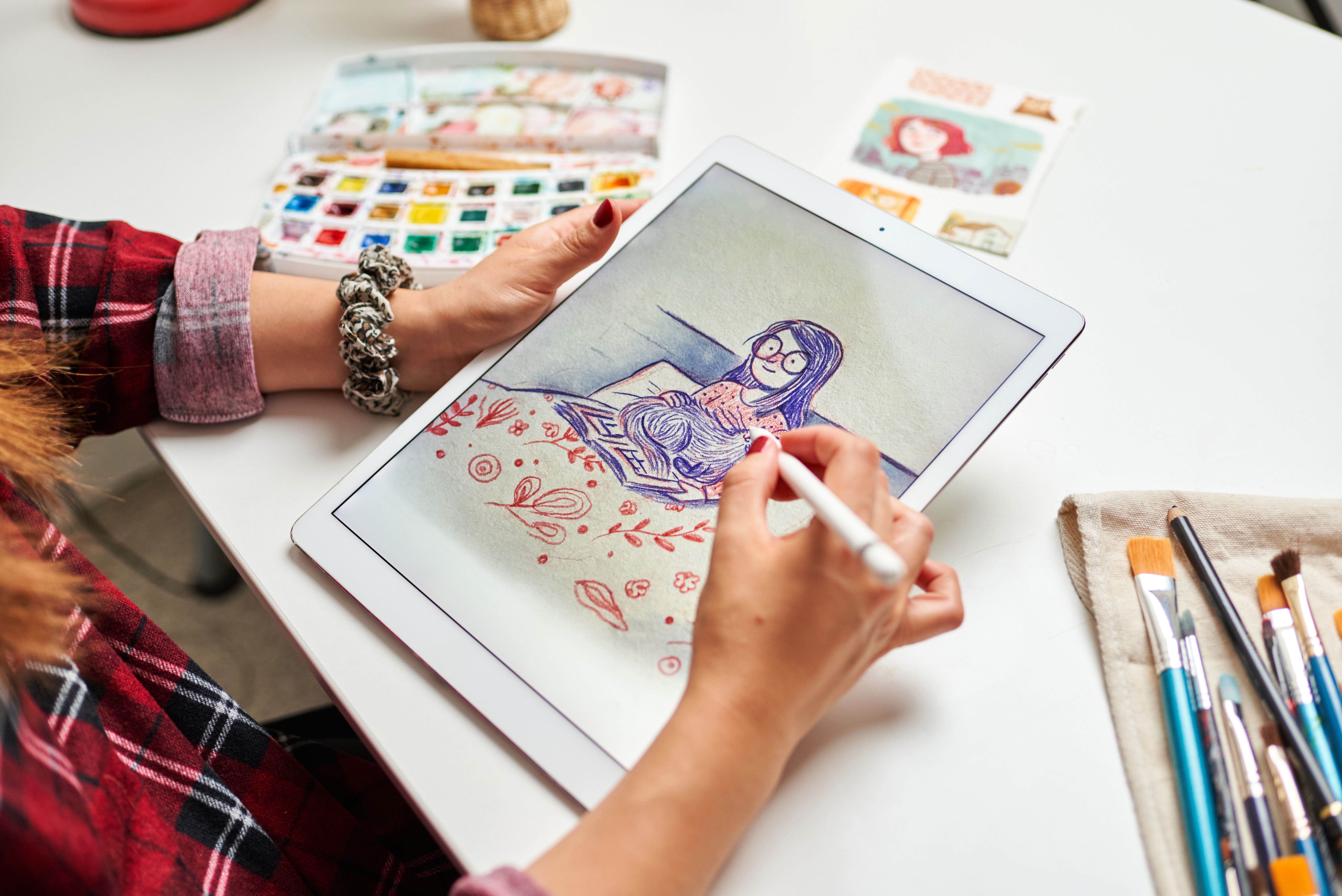
- **Independent artists and studio shops.** Many artists sell directly through their own websites or Instagram shops. Buying direct often gives you more detail about the story behind the work, and you can sometimes request sizing or framing options. It’s also the best way to support the artist fully.
- **Curated online galleries.** These platforms work like digital showrooms. They select artists, control print quality, and often offer professional framing. If you want a more gallery-like experience without leaving home, a curated site is a great middle ground.
- **Marketplaces.** Large marketplaces carry a massive variety of styles and price points. Use filters to narrow by subject, size, and color palette. The key here is to read print specs carefully and check seller reviews before you buy art prints online.
One extra tip: read the artist bio and any notes about the original work behind the print. Even when you’re buying a reproduction, understanding the story and the maker adds meaning and helps you avoid generic mass-produced pieces. Many Australian studios also offer multiple sizes or border options; choosing the right scale for your wall can make even a modest piece feel considered and high-end.
When you find a piece you’re interested in, open the product details and look for clear photos of the print texture, close-ups, and examples of the work in real rooms. Reputable sellers make it easy to see what you’re getting.
Choosing style, size, and palette
The most common regret with online art is not about the image - it’s about fit. A print may look perfect on a website but feel too small, too bold, or too muted in your space.
Start with size. Measure the wall and decide if you want a single statement piece or a small grouping. A simple trick is to tape paper to the wall in the exact dimensions you’re considering. It gives you an immediate sense of scale.
Next, think about style and subject. Do you want something calming, energetic, minimalist, or detailed? Choose pieces that match the mood you want for the room. In a living room, people often prefer warm landscapes, abstract forms, or family-focused themes. In a home office, sharper lines and bold colors can feel motivating.
Palette is the final layer. You don’t need a perfect match, but look for at least one color that links to your furniture or decor. If you’re shopping for an art gift, a safe approach is to pick a subject the recipient loves and a color range that won’t fight their existing space.
Practical details: paper, framing, and delivery
Once you’ve picked the right piece, the technical side matters. Read the product description for paper weight and finish. Matte finishes reduce glare and feel soft; gloss finishes make colors pop but can reflect light. Canvas prints can look more “painterly,” while paper prints feel crisp and modern.
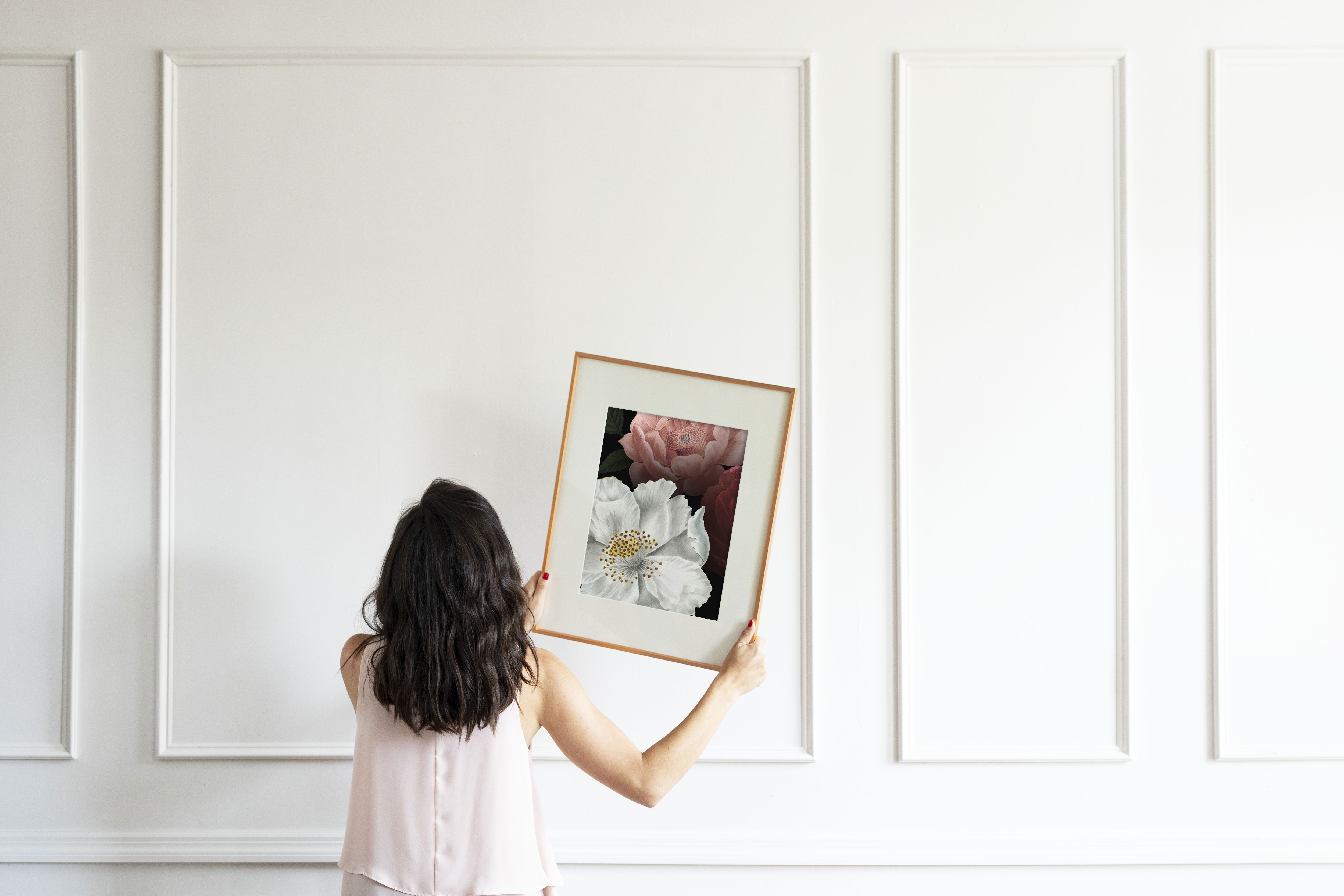
Framing is often optional online. If a seller offers framing, check the materials and whether the print is mounted behind glass or acrylic. Buying unframed is cheaper, but factor in the cost of framing locally.
Shipping should be clear and insured. Good sellers explain how prints are packaged (tubes for paper prints, flat boxes for framed pieces) and give realistic delivery windows. If you’re ordering from a site advertising art prints for sale at steep discounts, double-check shipping policies, because low prices sometimes hide high delivery fees or weak packaging.
How to avoid online buying disappointments
A few quick checks can keep your purchase stress-free:
- Zoom in on images. Blurry previews or heavily filtered photos may hide low print quality.
- Read reviews. Look for comments about color accuracy and packaging.
- Check return policies. Reputable sellers have clear, fair returns for damaged items.
- Look for consistency. If a seller offers hundreds of unrelated styles, they may be reselling rather than creating.
If color accuracy is critical, ask whether the seller provides close-ups or a swatch preview. Screens vary, so a small difference is normal, but big shifts are a red flag.
If you’re tempted by a piece labeled as “one-of-a-kind,” make sure it truly is original artwork for sale and not just a standard print with marketing language. Ask questions if anything feels vague - legit sellers respond quickly and clearly.
Lastly, don’t ignore smaller formats. Art cards Australia from a favorite artist can be a low-risk way to test a style before you invest in a larger print, and they’re also a great way to rotate seasonal decor.
Conclusion
Buying art online can be as satisfying as visiting a gallery once you know how to judge quality and fit. Focus on archival materials, choose sellers with clear specs and strong reviews, and measure your space before you order. With those steps, art prints online become an easy, enjoyable way to bring fresh personality into your home.
FAQ
Are art prints online the same as posters?
Some are, but quality varies widely. Look for archival paper, pigment printing, and detailed product descriptions to identify higher-end prints.
How do I know if colors will match my room?
Check the palette against your main room colors and order a smaller size first if you’re unsure. Many artists also share real-room photos that help with color expectations.
Should I buy framed or unframed?
Framed is convenient and ensures correct sizing, but unframed saves money and lets you choose a local frame style that suits your decor.
Comments