03Feb
A great portrait can bring back the feeling of your pet’s presence every time you pass it on the wall. But with so many options online, finding the right pet portrait artists can feel overwhelming. Styles range from whimsical cartoons to museum-level realism, and prices vary just as widely. The goal of this guide is to help you understand what makes a portrait truly special, how to evaluate artists, and how to prepare for a smooth commission - especially if you’re buying in Australia.
What sets great pet portrait artists apart
Technical skill matters, but the best artists go beyond accuracy. They notice personality: the way your cat tucks their paws, the alertness in a dog’s ears, the odd little tilt they make when they’re curious. Look for artists who capture expression and movement, not just a static pose.
Other signs of quality include: - Consistency across animals. The portfolio should show different breeds and fur types handled with equal care. - Strong eye work. Eyes are where emotion lives; they should feel alive and correctly proportioned. - Clear process. Good artists explain their steps, timelines, and revision policy up front. - Respect for your story. A short note about your pet’s quirks or history should be welcomed, not ignored.
When an artist ticks these boxes, the result is more than a picture. It becomes a personal heirloom.
Great pet portrait artists also guide you through choices you might not have considered, like whether a neutral background or a simple setting will best highlight your pet. They’ll usually ask where the piece will hang, and they won’t rush you into a size that doesn’t suit your wall. If an artist responds thoughtfully, suggests options, and communicates clearly, that’s a strong signal you’re in good hands.
You should feel comfortable asking questions; a true professional will explain their approach in plain language and help you decide.
Styles and mediums you can choose
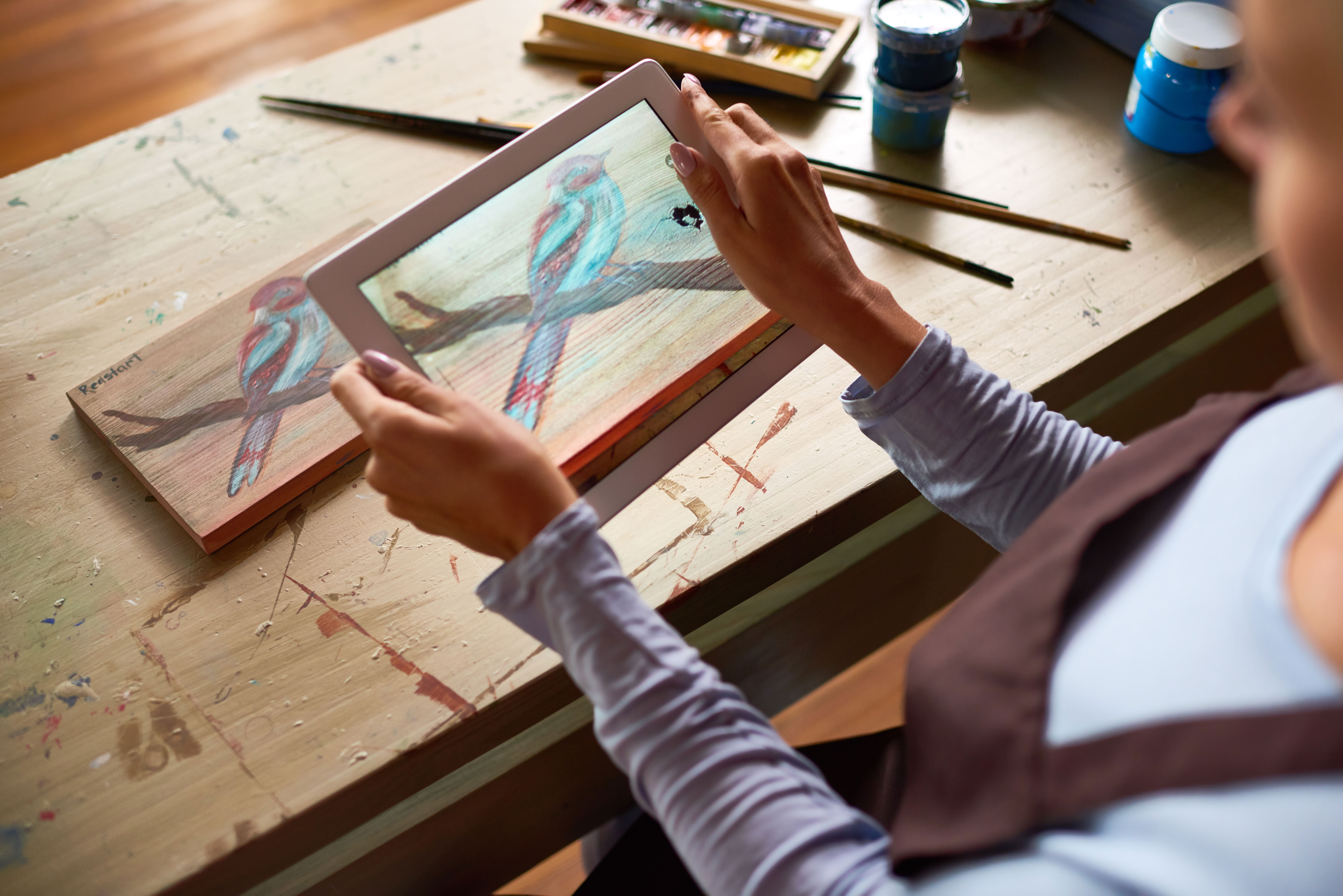
Before contacting anyone, decide what kind of look you want. Common options include graphite or colored pencil, watercolor, oils, pastel, and digital illustration. Each has a different mood.
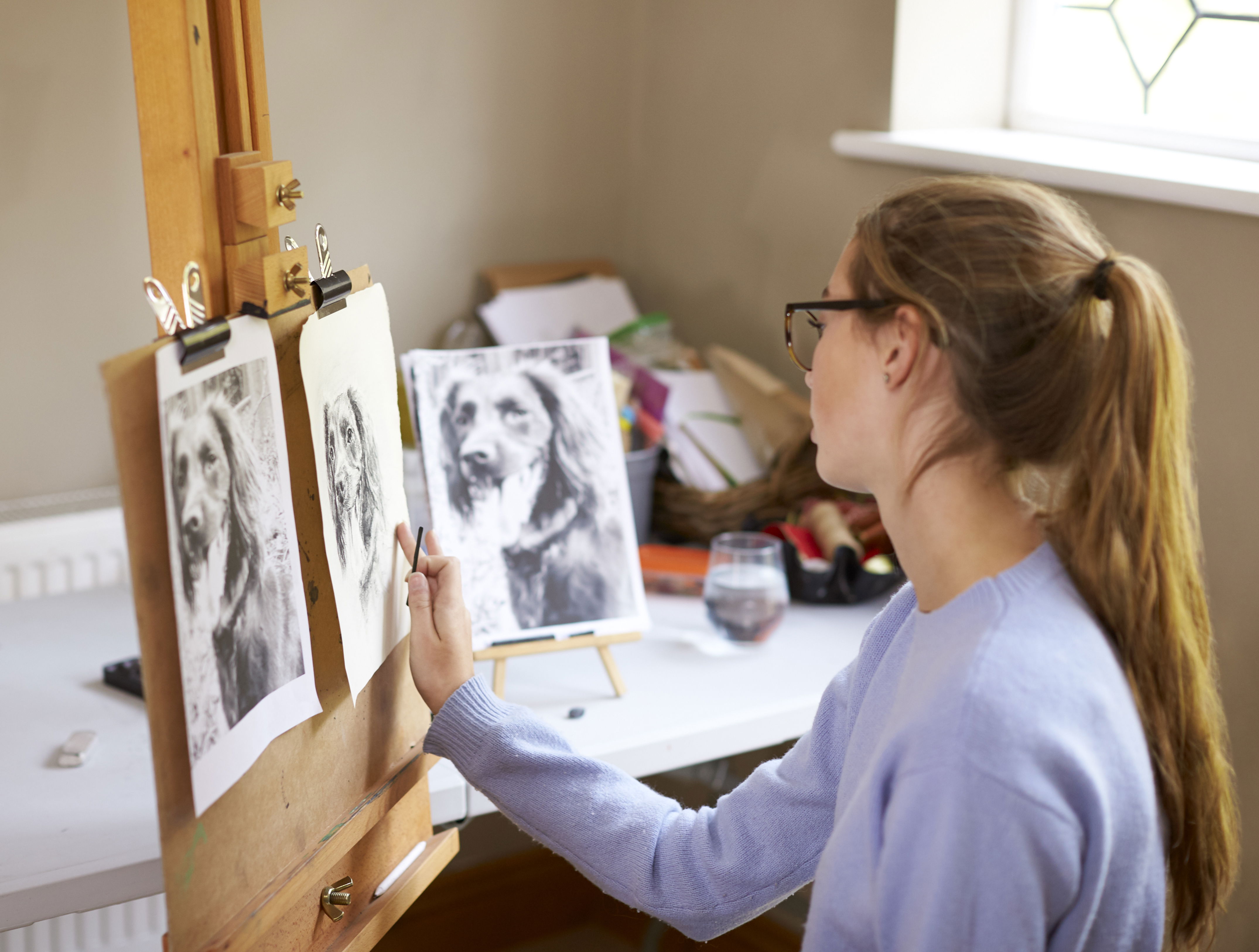
- Pencil and charcoal are timeless and often suit pets with dramatic markings or subtle fur.
- Watercolor feels light and expressive, great for softer, airy interiors.
- Digital art offers vibrant color and clean lines, and it can be printed in many sizes.
- Mixed media can combine realism with creative backgrounds or textures.
If you love classic realism, check whether the artist offers hand painted pet portraits or heavily textured work. If you prefer something modern and graphic, look for clean shapes and intentional color palettes.
When comparing styles, think about your pet’s coat and coloring. Short-haired animals often suit crisp line work and smooth shading, while long-haired breeds look better in mediums that can show texture. Ask whether the artist works from a single photo or combines several references, and whether they provide a draft before finalizing. Many pet portrait artists will share a rough layout so you can confirm pose and expression before they move to full detail.
How to read a portfolio and reviews
Portfolios can be deceptive if you don’t know what to scan for. Spend a few minutes zooming in on details:
- Are fur patterns accurate and not “generic”?
- Do noses, whiskers, and paws have believable structure?
- Does the lighting feel consistent, or do shadows look random?
- Are different animals rendered with equal attention?
Also look for sketches or work-in-progress examples. Seeing pet sketches tells you how the artist builds form and whether they understand anatomy before adding color.
Reviews help confirm what you can’t see in images. Pay attention to comments about communication and color accuracy. An artist might be talented but slow to respond, which matters if you’re ordering for a deadline.
Turnaround time is another clue. Artists who share recent commissions, update their availability, and state how long a piece typically takes are usually organized and realistic about delivery. If you have a specific date in mind, ask early and make sure they confirm the timeline before you pay.
Preparing your reference photos and brief
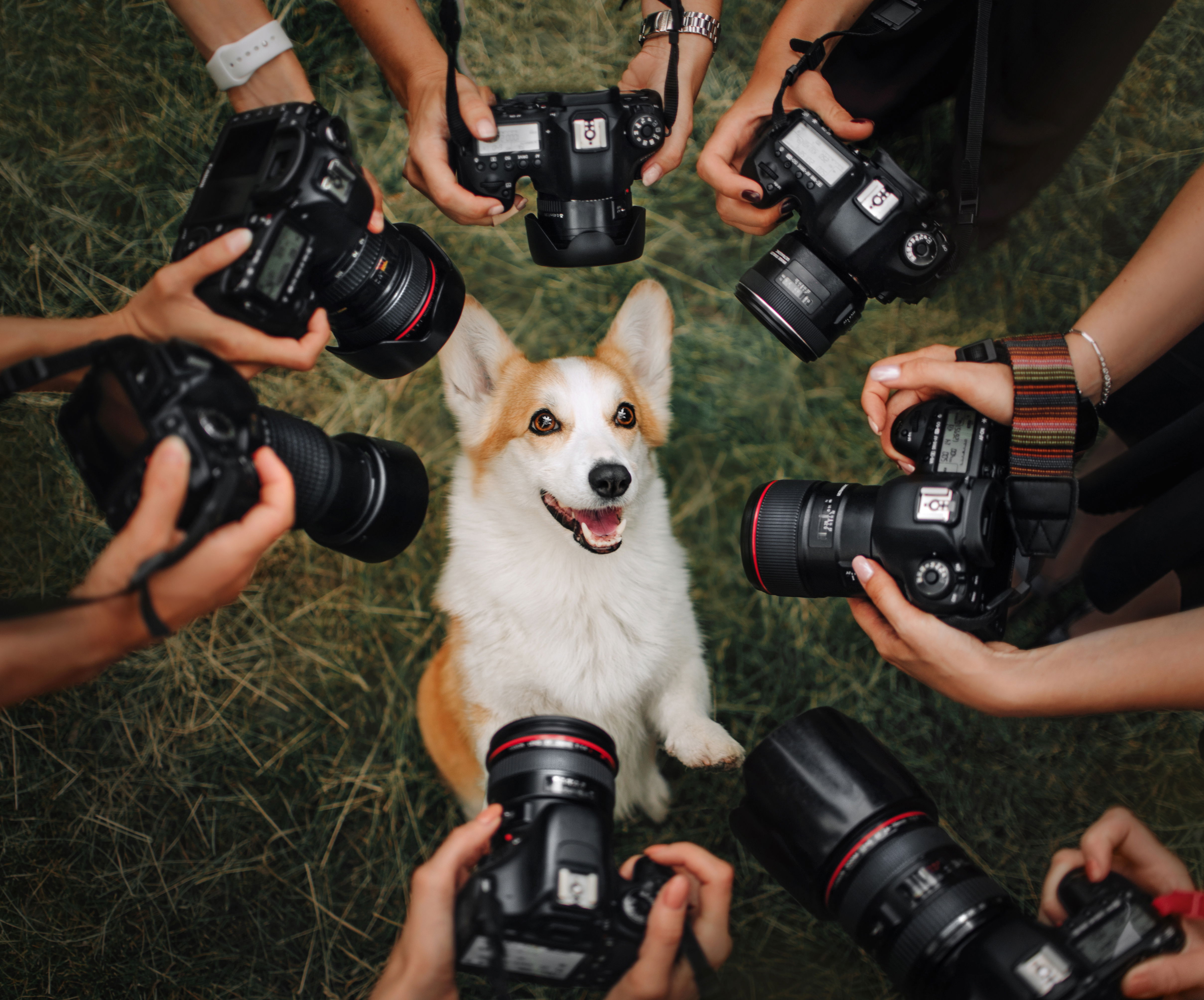
Even the best artist needs strong source material. Choose photos that are sharp, well lit, and show clear facial features. If you have multiple good images, send a small set. That gives the artist flexibility to combine the best head angle with the most accurate markings.
Write a brief that includes:
- The pet’s name and a few personality traits
- Any must-capture details (a scar, a patch of fur, a favorite collar)
- Your preferred background style (plain, scenic, or minimal)
- The size and orientation you want
If you’re unsure about style, ask for suggestions. Many clients start with a simple portrait and later commission more elaborate custom pet portraits once they’ve found an artist they trust.
If you want more than one animal in the piece, say so early. The artist can suggest a composition that balances each pet and avoids awkward scaling. It’s also the right time to mention keepsake items you’d like included, such as a favorite toy or a patterned blanket. Clear direction here helps pet portrait artists create a scene that feels authentic rather than staged.
Finding the right fit in Australia
Australia has a thriving community of illustrators and painters, and buying locally can simplify shipping and framing. When browsing for pet portraits australia, look for artists who clearly state that they work with Australian customers, list prices in AUD, and provide realistic delivery times.
If you want the reassurance of local experience, prioritize a pet portrait artist Australia who shows familiar breeds, outdoor lighting, and a good understanding of Australian décor styles. Local artists also tend to know which paper stocks and framing sizes are easiest to source here.
Check whether the artist ships finished work from within Australia or internationally. Local shipping can be faster and reduces risk in hot summers, while international shipping may require extra packaging. Either way, confirm tracking and insurance. The best pet portrait artists are upfront about delivery times and how they protect artwork in transit.
Conclusion
The right portrait is a mix of skill, style, and connection. Spend time choosing pet portrait artists whose work feels alive, align on the medium and process, and send clear photos with a thoughtful brief. Do that, and you’ll get a piece that celebrates your companion for years to come. It’s a simple investment with lasting meaning.
FAQ
How much do pet portraits usually cost?
Prices depend on size, medium, and complexity. Digital pieces can start lower, while larger painted works and multi-pet scenes cost more. Most artists provide a clear price list before you commit.
Can I commission a portrait as a gift?
Yes. A commissioned piece is deeply personal and works well for birthdays, anniversaries, or memorials. If timing is tight, ask about rush options or digital vouchers.
What if my pet has passed away?
Artists regularly work from older photos. Provide the clearest images you have and share a few notes about personality so the portrait feels like them.
Comments