03Feb
A dog is never “just a pet.” They are family, a daily companion, and a keeper of stories you don’t want to forget. That’s why a dog portrait can feel like more than decoration - it’s a way to freeze a personality, a look, or a moment you love. But ordering one for the first time can be confusing. There are many styles, price points, and artists, and the final result depends heavily on the choices you make up front. Below are the three mistakes people most often make when buying a dog portrait, plus practical steps to avoid them so you end up with artwork you’ll be proud to hang for years.
Why a dog portrait is worth doing right
Before talking about mistakes, it helps to know what you’re aiming for. Great portraits capture character: the tilt of a head, the spark in the eyes, that goofy grin right before a treat. When done well, they sit comfortably beside other art in your home and still feel uniquely “yours.”
Because you’re commissioning a piece that’s personal, small details matter. The right photo, the right medium, and the right communication all help the artist translate your dog’s personality onto the page or canvas. Getting those elements aligned early saves time, avoids disappointment, and usually produces a more lifelike result.
Mistake 1: Choosing the wrong reference photo
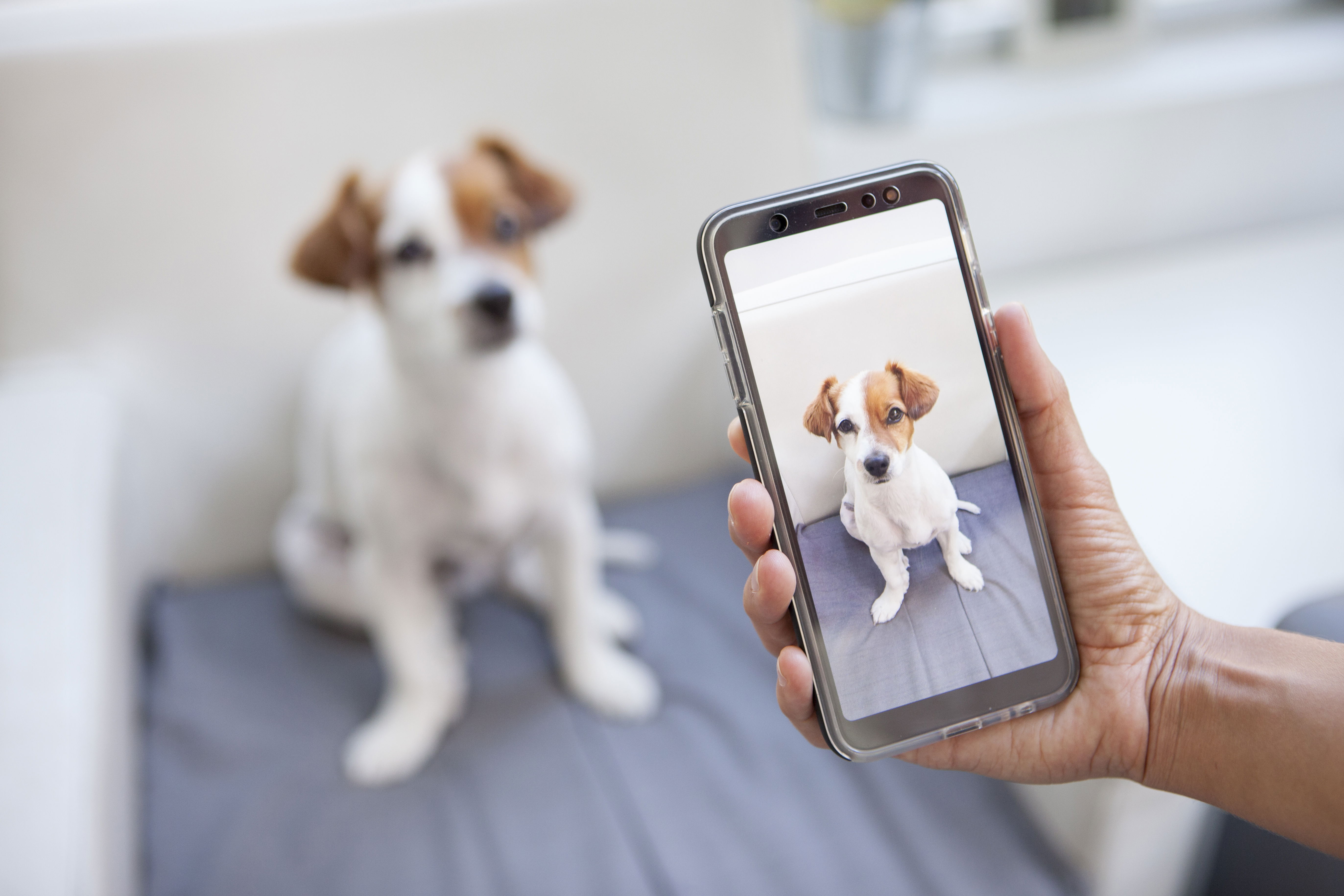
The most common problem artists face isn’t skill - it’s source material. A portrait can only be as strong as the reference you provide. People often pick the cutest snapshot on their phone, but that photo may have poor lighting, distortion, or a pose that hides important features.
To avoid this mistake, look for a photo that meets these simple standards:
- Sharp focus, especially around the eyes and muzzle
- Natural lighting (outdoor shade or bright indoor daylight works best)
- A clear view of the face, ears, and markings
- Minimal filters, heavy shadows, or wide-angle distortion
- A pose that feels like “your dog,” not a random moment
Try to choose a photo taken at your dog’s eye level. Shots from above can shorten the muzzle and make the head look wider, while wide-angle phone lenses can exaggerate noses or paws. If your dog has dark fur, pick an image with enough light to show texture; otherwise the artist has to guess where shadows end and highlights begin. Also check that collars or harnesses aren’t covering key markings unless you want them included. A clean reference lets the artist focus on expression instead of repairing visual noise.
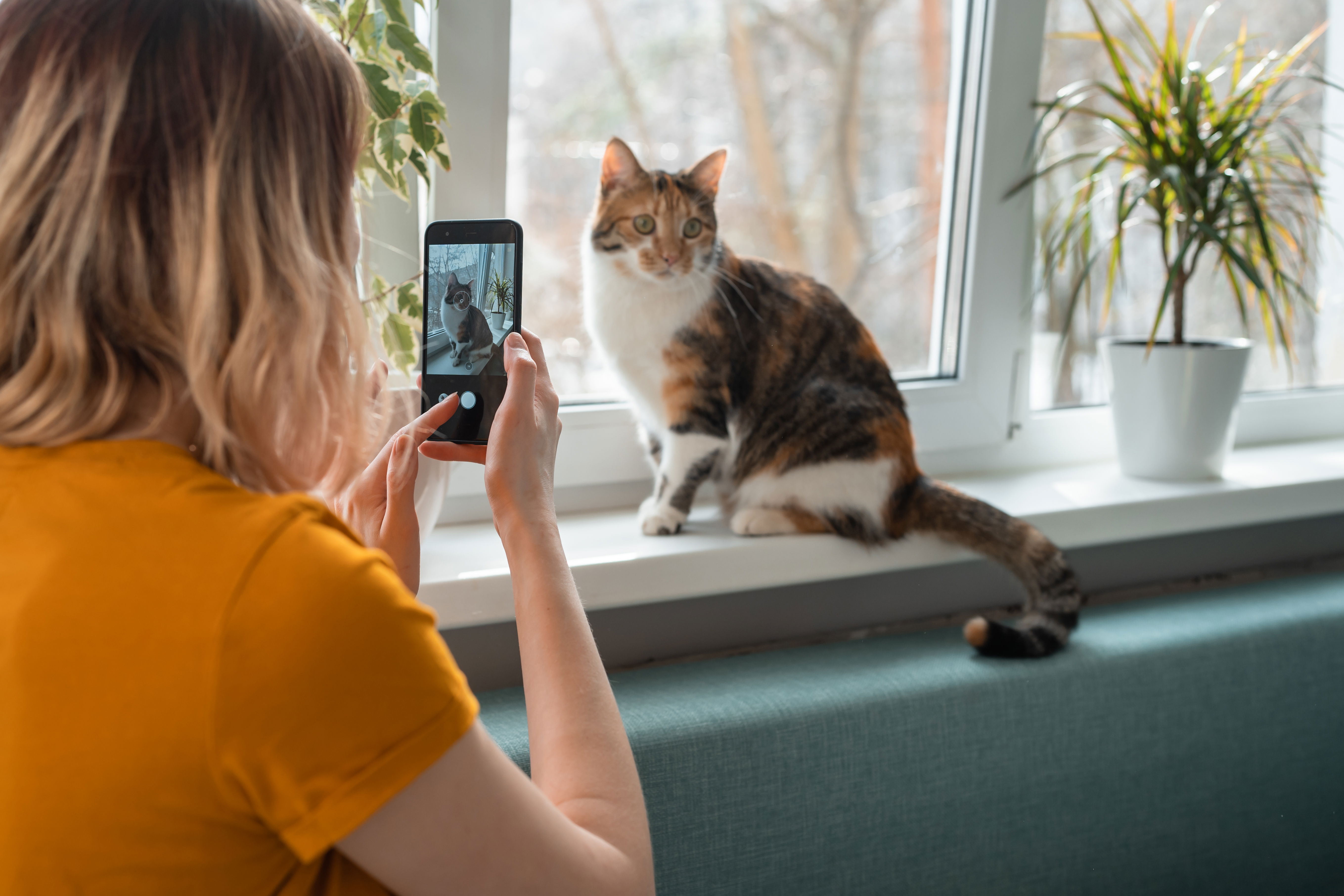
If you don’t have one perfect image, send a small set. A good artist can combine details from multiple shots, especially for a custom drawing from photo. The key is giving them enough accurate information to work from, rather than one blurry favorite.
Mistake 2: Not matching the style to your dog and your space
The next pitfall is choosing a style because it looks trendy online, not because it suits your dog or your home. Different breeds and personalities shine in different approaches. A sleek greyhound may look stunning in a minimalist line style, while a shaggy terrier might benefit from richer texture and shading.
Think about where the artwork will live. A bright, modern room may pair beautifully with clean digital pet portraits, while a cozy traditional space might call for softer tones or a pencil-based look. Decide whether you want something realistic, slightly stylized, or playful.
Background choices matter too. A busy backdrop can pull attention away from your dog’s face, while a simple wash of color or a soft gradient keeps the focus where it belongs. If you want the portrait to blend with existing décor, send the artist a quick photo of the wall or room so they can suggest complementary tones.
Ask the artist to show examples in the style you’re considering, and compare how similar breeds or fur types are handled. If realism matters to you, make sure the portfolio includes work with accurate proportions and fur detail. The right match between style and subject is what turns a nice picture into a piece that feels unmistakably like your dog.
Mistake 3: Skipping the artist-process conversation
A portrait is a collaboration. Yet many buyers rush through the order form without asking how the process works. That’s how you end up surprised by size, background choices, revisions, or timelines.
Before you commit, have a short conversation with the portrait artist about:
- The medium (digital, graphite, watercolor, mixed media, etc.)
- The size and orientation you’ll receive - What background options are available
- How many revisions are included and at what stage
- Expected timeline and delivery format
This also helps you confirm the artist is comfortable with your request, whether that’s a single head-and-shoulders portrait, a full-body pose, or a scene. If you’re ordering for a special occasion, be clear about deadlines so the artist can plan.
Many people also forget to share what they love most about their dog - their calm nature, their wild energy, their “serious” face. Those notes help the artist push a hand drawn portraits commission beyond accuracy into true personality. It’s also what makes the finished piece an unforgettable portrait gift for someone who loves that dog as much as you do.
A simple checklist before you place your order
Use this quick pre-order list to avoid the three mistakes above:
- Choose 2-5 clear reference photos with good light and sharp detail.
- Decide on a style that fits your dog’s look and your home’s vibe.Confirm size, medium, background, revision policy, and timeline.
- Share a short description of your dog’s personality and any must-capture details.
- Double-check spelling for names or dates if you want text included.
- Pay attention to how the artist handles communication; clarity now prevents stress later.
- Taking ten extra minutes on these steps sets you up for a smooth commission and a result you’ll love.
Conclusion
Ordering a dog portrait should be enjoyable, not stressful. Pick strong reference photos, choose a style that suits both your dog and your space, and talk through the process before you pay. Do that, and you’ll end up with artwork that feels personal, timeless, and genuinely true to your companion.
FAQ
How long does a dog portrait take to complete?
Most commissions take one to three weeks, depending on the artist’s queue and the complexity of the piece. If you need a rush order, ask early so expectations are clear.
What makes a good photo for a dog portrait?
Look for sharp focus, natural light, and a clear view of the dog’s face and markings. Avoid photos taken in dim rooms, with heavy filters, or from a wide-angle lens that distorts features.
Can I include more than one pet?
Yes. Many artists offer multi-pet pieces, but you’ll usually need separate clear photos of each pet. Ask about pricing and composition options for group portraits.
Comments