10Feb
Choosing an artist to capture your animal is both exciting and personal. A good pet artist doesn’t just reproduce fur and whiskers; they translate personality into art you’ll want to live with for years. Because the choice shapes the final result, it’s worth slowing down and making a few thoughtful checks before you place an order. This guide breaks the process into clear steps so you can commission confidently, whether you’re choosing a pet artist in Australia or exploring options more broadly.
Start with the story you want to tell
Begin by asking yourself why you want the portrait. Is it a celebration of a current companion? A memorial for a pet who’s passed? A surprise for someone you love? Your intent will guide the style and mood.
Think about the emotion you want the viewer to feel. For a memorial, you might prefer a quiet pose and softer colors; for a celebration, a playful expression or action shot can be perfect. Sharing that intention helps a pet artist choose lighting and composition that match the tone. If you’re unsure, gather two or three example images you like - perhaps from the artist’s own gallery - and note what draws you to them.
Write down a few details you want the artwork to capture - curious eyes, a mischievous grin, the way they sit by the window every morning. Those notes become part of your brief and help the artist go beyond accuracy. They also make the final piece feel meaningful, especially if you’re ordering personalised artwork gifts for an occasion.
Pick a style that fits your taste and pet
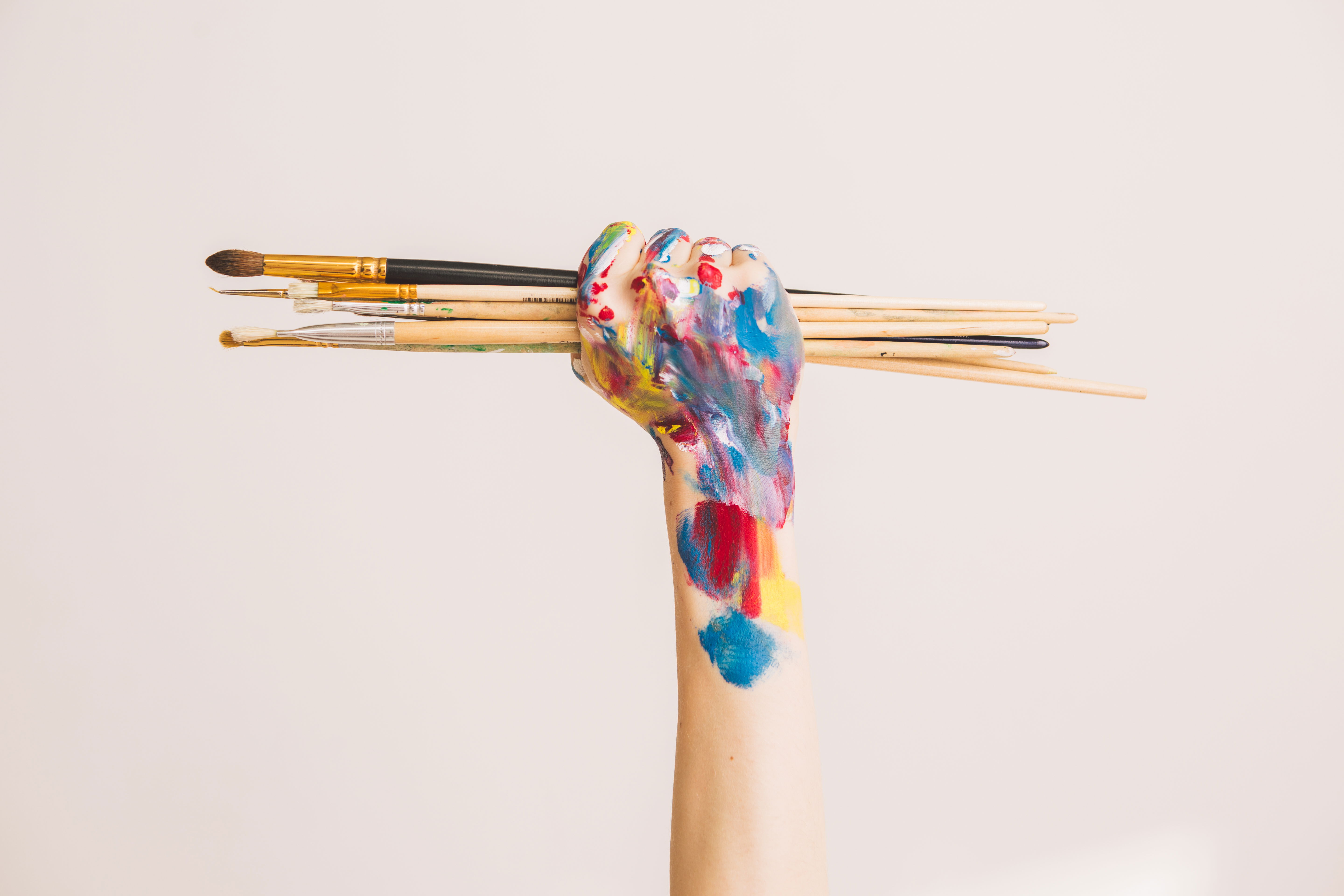
Artists usually specialize in one or two styles. Some lean toward realism, others toward illustration or abstract forms. Spend time browsing and notice what you’re consistently drawn to.
Common options include:
- Realistic pencil or charcoal for a timeless, detailed look
- Watercolor for soft edges and a light feel
- Digital illustration for bold color and clean lines
- Pastel portraits for warmth and texture, especially with fluffy coats
Think about your home too. A modern interior may suit crisp digital work, while a more traditional space can pair nicely with hand-rendered textures. The goal is to pick a style you’ll still love years from now, not just what’s trending today.
A useful way to narrow choices is to imagine the piece on your wall. Do you want something that blends in gently, or a bold focal point? A skilled pet artist will have a recognizable style, so pick someone whose natural approach already aligns with your taste rather than expecting a complete shift.
Check the portfolio for skill and consistency
Once you have a style in mind, look closely at the artist’s portfolio. Don’t just ask “Do I like this?” Ask “Is this consistently good?”
Also check for consistency in recent work. The newest pieces show what you’re likely to receive today, not what the artist did years ago. If you like what you see, send a quick message and notice how they respond; a responsive pet artist makes the whole commission smoother.
Zoom in on:
- Eyes and facial expression
- Proportions of the head and body
- Fur direction and texture
- Consistent lighting and shadow
A strong artist should show a range of animals, not only one breed type. If their gallery includes early-stage pet drawings or sketches, that’s a good sign - they understand structure before adding detail. You can also look for a sample custom pencil sketch to see how they handle fine lines and anatomy.

Understand the pet artist process and pricing
Before you commit, read how the commission works. Good artists explain:
- What they need from you (photos, notes, sizing)
- The timeline from order to delivery
- How revisions are handled
- What you’ll receive (digital file, printed piece, framed work)
Pricing varies by medium, size, and complexity. A single-pet head-and-shoulders portrait is usually cheaper than a full-body scene with multiple animals. If the artist offers add-ons - custom backgrounds, name lettering, or extra pets - make sure you understand the cost up front.
This is also where you confirm whether the work is original and made to order. When you’re paying for commissioned art, you want clarity that the artist will create a one-off piece, not a template reused across customers. If you want something especially personal, ask whether they can incorporate a favorite toy, collar, or setting as custom pet artwork.
Ask whether you’ll see a preliminary sketch or color mock-up before the final version. This checkpoint is where small adjustments - like ear angle or background tone - are easiest. Clarify how many changes are included and what happens if you need more. Clear agreements up front protect both you and the pet artist and prevent awkward surprises later.
Prepare your photos and brief
The best commission in the world can fall flat if the source photos are weak. Choose images that are sharp, well lit, and show clear features. If you can, send a few angles. One image might have the best expression while another shows accurate markings.
Alongside photos, send a short brief with:
- Your pet’s name
- A few personality traits
- Your preferred background (plain, minimal, or detailed)
- Any “must-include” details
Consider sending one photo that shows full-body proportions and another close-up for expression. If your pet has subtle color shifts or distinctive markings, mention them in your note, because phone cameras can over-warm or cool fur. A little context helps the artist interpret the reference accurately.
The more thoughtful your input, the easier it is for the artist to deliver something that feels like your companion.
If your best photos are older or taken in low light, tell the artist. They can often enhance clarity by working from multiple images, but they need to know what’s accurate and what’s lighting distortion. Giving a short note about coat color, eye tone, and any distinctive markings ensures the pet artist isn’t guessing.
Conclusion
Finding the right pet artist is about alignment. Choose a style you genuinely love, confirm skill through a consistent portfolio, understand the commission process, and provide strong photos with a clear brief. With those pieces in place, you’ll end up with artwork that brings your pet’s spirit into your home every day. Once you find someone whose work you love, keep their details, as many pet owners across Australia return to the same artist for future pieces as pets age or new companions join the family. Building that relationship makes later commissions faster and more personal.
FAQ
How do I know if an artist is a good fit for my pet?
Look for work featuring similar animals and the same level of detail you want. If their portraits consistently capture expression and anatomy, they’re a strong candidate.
What if I’m not sure about the style?
Ask the artist for guidance. Many will suggest a medium based on coat type, lighting in your photos, and the mood you want.
Can I request changes after I see a draft?
Most artists include at least one revision round. Confirm when revisions happen - usually after a first sketch or color mock-up.
Comments